A car can feel perfectly normal and still be quietly wearing through brake pads, losing a little fluid, cracking a belt, or wearing the inside edge of a tire where you never see it.
That is what makes regular oil change visits more useful than they seem.
A multipoint visual inspection is not about turning every oil change into a big repair bill. It is about getting a clearer look at the vehicle while it is already in the shop. Even when the car feels fine, that quick check can reveal small issues before they become inconvenient, expensive, or harder to plan around.
An Oil Change Gives A Good View Of The Vehicle
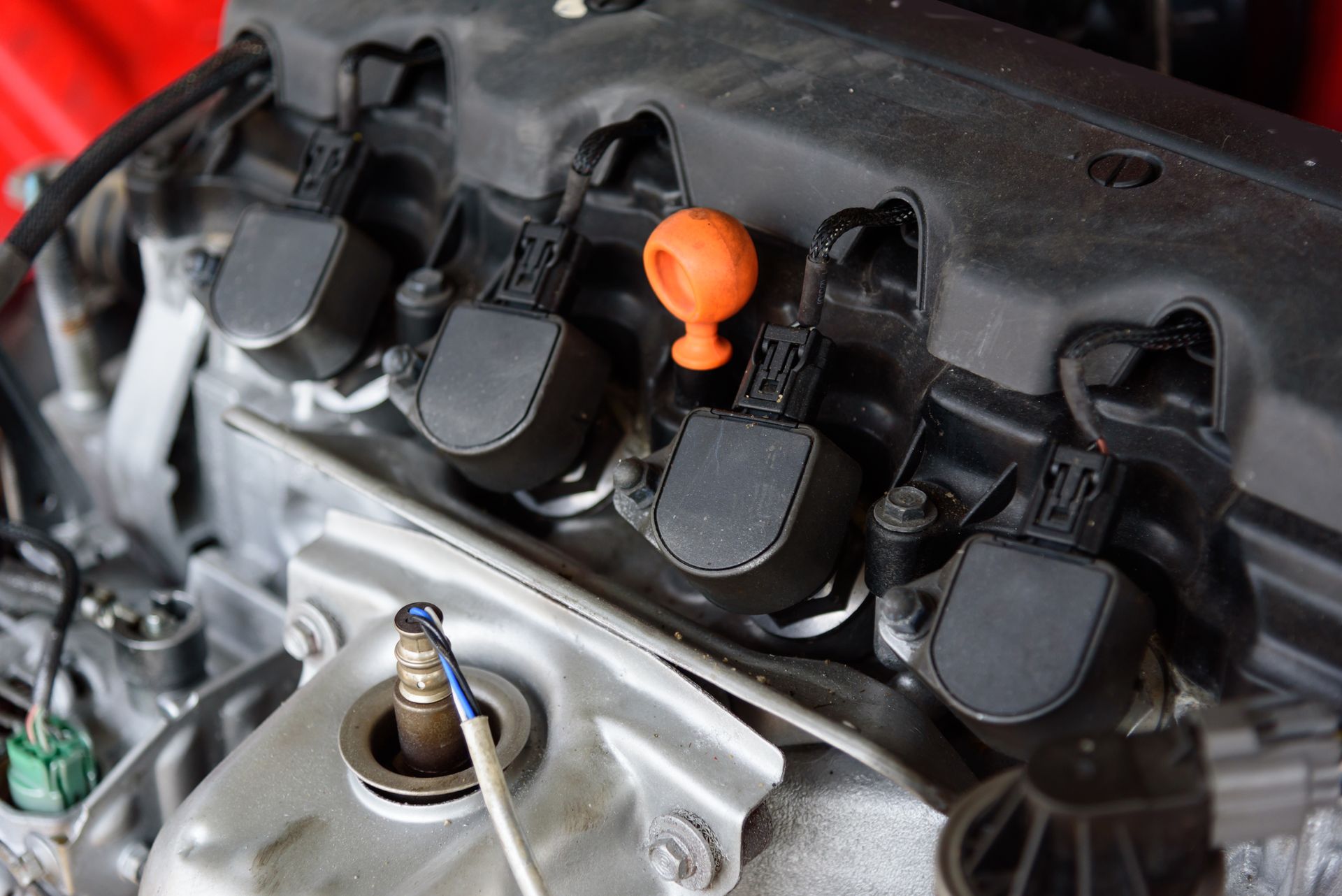
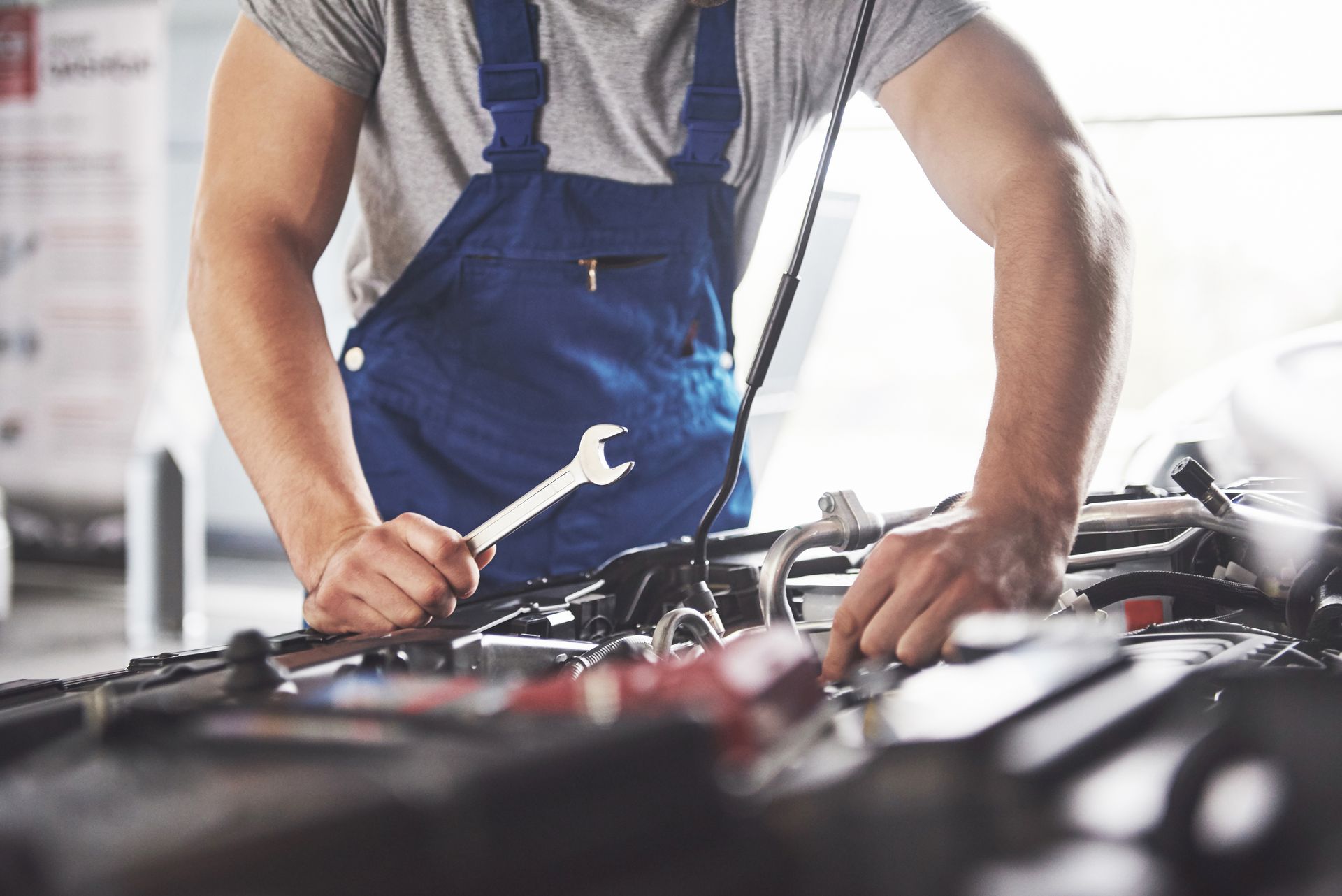
During an oil change, the vehicle is already being serviced, and many key areas are easier to see. A technician can look under the hood, underneath the vehicle, around the tires, and near common leak points.
That view can reveal problems a driver may not notice from the seat. A small oil leak might not leave a spot on the driveway. A coolant seep may dry before it drips. A cracked belt may still work, but it is already showing age.
The oil change itself protects the engine. The visual check helps show what else may need attention soon.
Small Fluid Leaks Can Hide For A Long Time
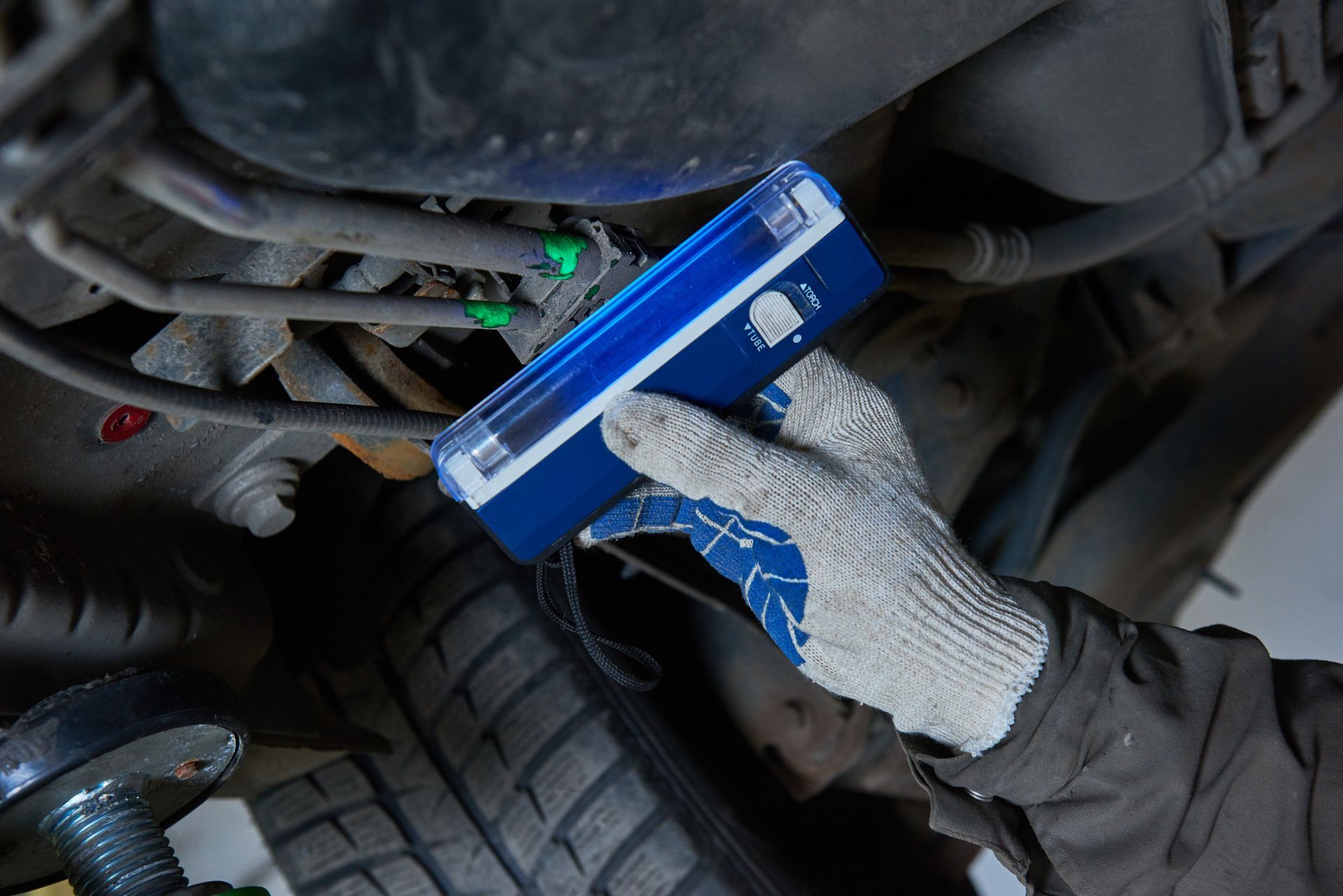
Fluid leaks are not always obvious. Oil, coolant, transmission fluid, brake fluid, and power steering fluid on equipped vehicles can collect on covers, shields, hoses, or engine parts before reaching the ground.
A small leak may first show up as residue, a smell, or a low fluid level. By the time the driver sees a puddle, the leak may have been active for a while.
A multipoint check can spot fresh wet areas, crusty coolant residue, seepage around gaskets, or low fluid levels. Those clues help the shop find out whether the issue can be addressed, serviced, or repaired before it becomes urgent.
Tires Can Look Fine From The Outside
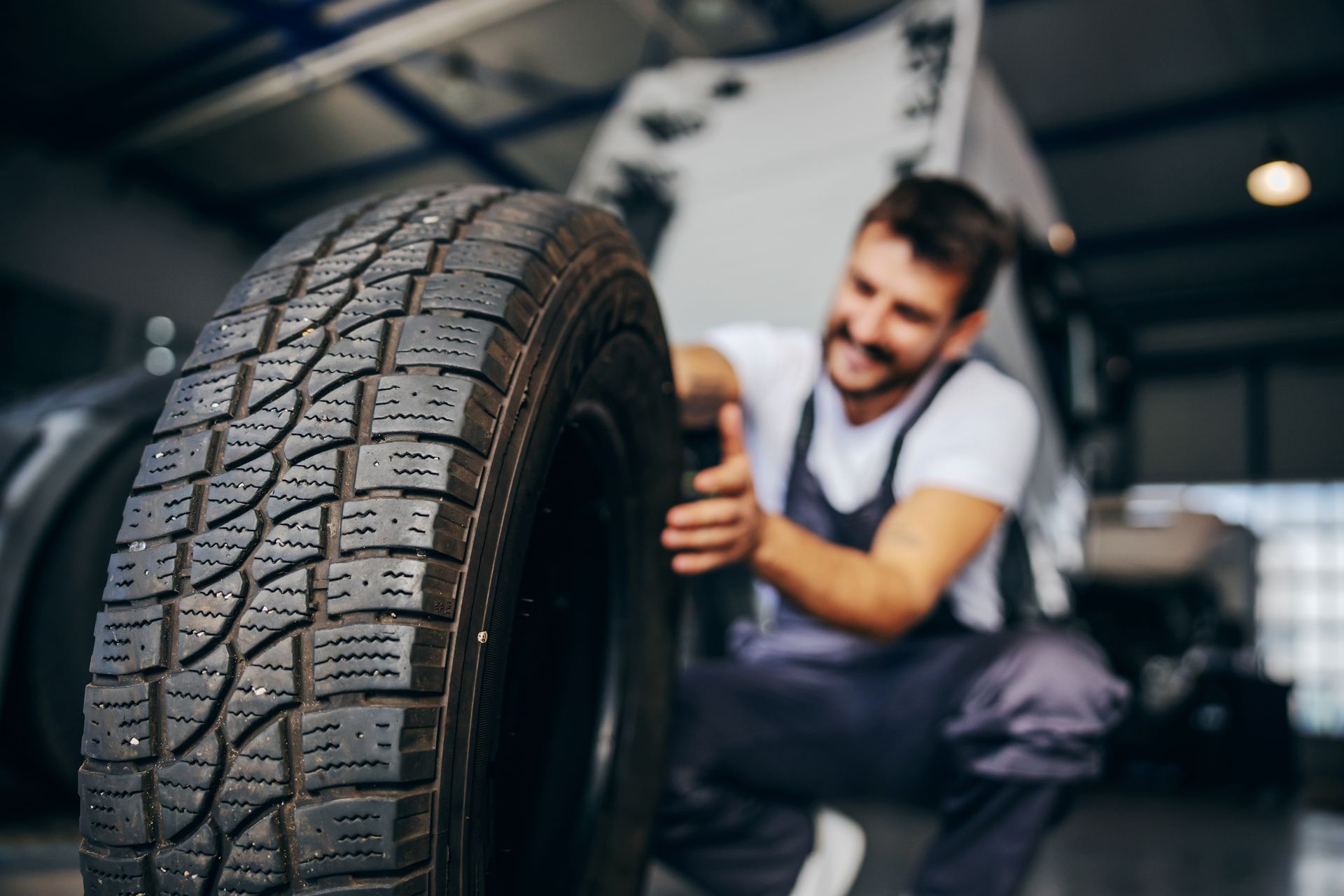
Tires are among the best reasons to have the vehicle inspected during routine service. The outer edge may look acceptable, while the inner edge is nearly worn out. That kind of wear is easy to miss without lifting the vehicle or turning the wheels.
Uneven tire wear can point to alignment issues, low tire pressure, worn shocks, loose steering components, or suspension wear. If those causes are not found, a new set of tires can start wearing the same way.
A visual check may include:
- Tread depth across the full tire
- Inner-edge and outer-edge wear
- Cracks, bulges, cuts, or punctures
- Uneven wear patterns, such as cupping or feathering
- Tire pressure and signs of slow leaks
Catching tire wear early can help protect traction, ride comfort, and the money you already spent on the tires.
Brake Wear Is Easier To Plan Early
Brakes often wear gradually. The pedal may feel normal while the pads are getting thin. Some drivers do not hear squealing until the pads are already close to the end of their life.
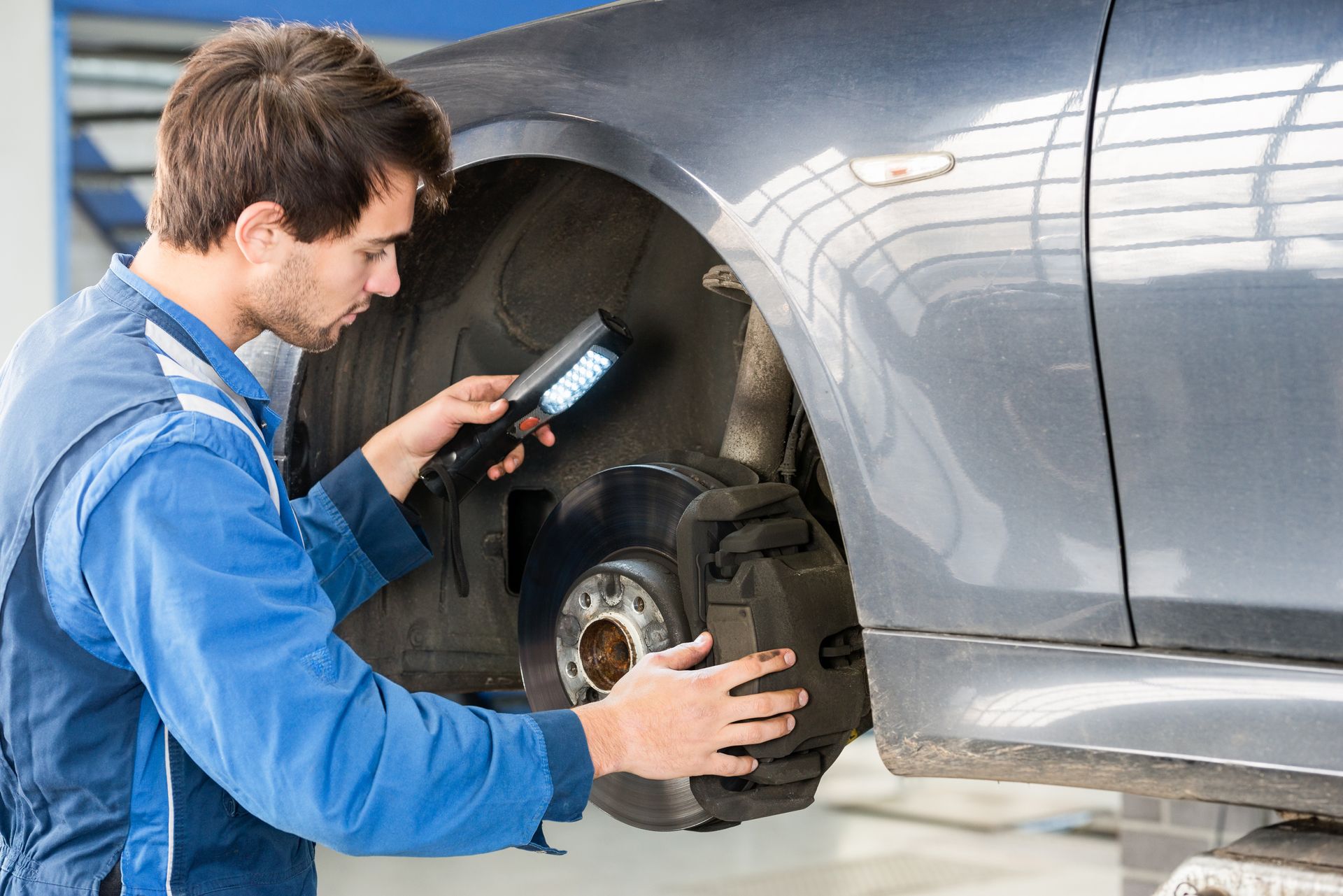
A visual brake check during regular maintenance can show pad thickness, rotor condition, brake fluid level, and signs of uneven wear. If one pad is wearing faster than the others, that can point to a sticking caliper, dry slide pin, or hardware issue.
Finding brake wear early gives you time to plan the repair. Waiting until grinding starts can damage the rotors and make the visit more expensive.
Belts And Hoses Age Quietly
Belts and hoses are subjected to heat, pressure, vibration, and age every time the vehicle runs. A belt can crack or glaze before it breaks. A hose can soften, swell, or seep before it fails.
These parts may not create a warning light at first. A worn belt may only squeal occasionally. A weak hose may only leak when the engine is hot. A coolant hose can look acceptable from one angle and show cracking or swelling from another.
A quick visual check can catch those signs before a belt breaks or a hose leak leads to overheating. That is especially helpful in Calgary weather, where temperature swings can be hard on rubber parts.
Battery And Electrical Clues Are Worth Checking
A battery does not always give much warning before it fails. Slow cranking, corrosion on the terminals, or a swollen battery case can all point to trouble.
During a multipoint visit, the technician can look for corrosion, loose terminals, damaged cables, and other visible electrical concerns. A battery test may also be recommended if the battery is older or the vehicle has been starting slowly.
Electrical problems can become frustrating fast because a weak battery or poor connection can create strange warning lights and starting issues. A simple check can prevent some of those surprises.
A Visual Inspection Helps You Prioritize
Not every finding needs immediate repair. That is an important point.
A good multipoint visual inspection should help you understand what is urgent, what can wait, and what should be watched.
For example, a torn wiper blade may be simple to handle right away. Slight brake wear may be noted for a future visit. A serious leak, unsafe tire, or brake concern may need faster attention.
The value is in the information. When you know what is happening with your car, you can plan service rather than react after something fails.
Get Multipoint Visual Inspection In Calgary, AB, With Kirkham Automotive
If your car feels fine but is due for an oil change,
Kirkham Automotive in Calgary, AB, can perform the service and check key areas for early wear, leaks, tire concerns, brake issues, and other visible problems.
Schedule a visit and use your next oil change as an opportunity to learn more about your vehicle's condition.